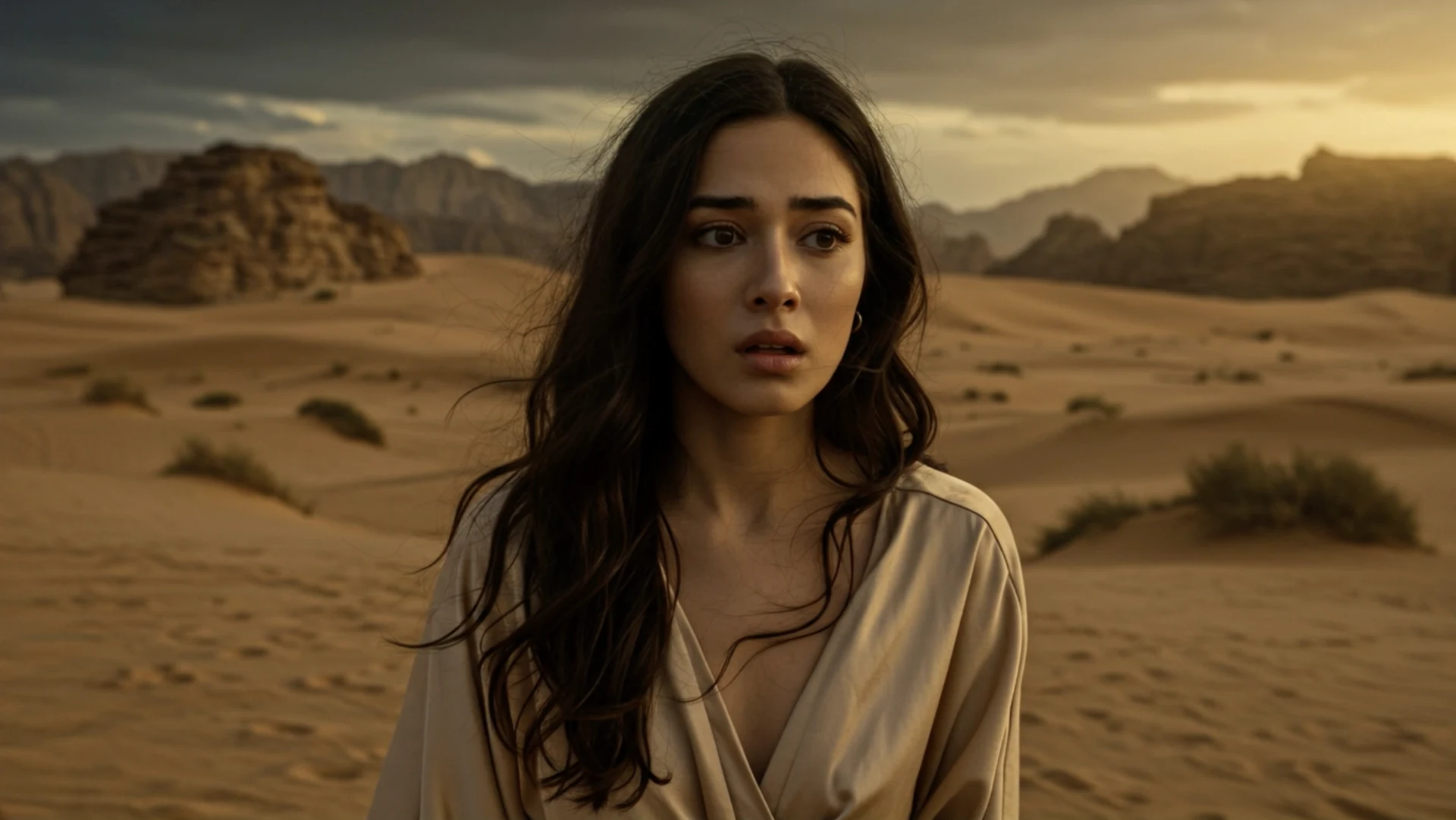
MBC Ramadan AI
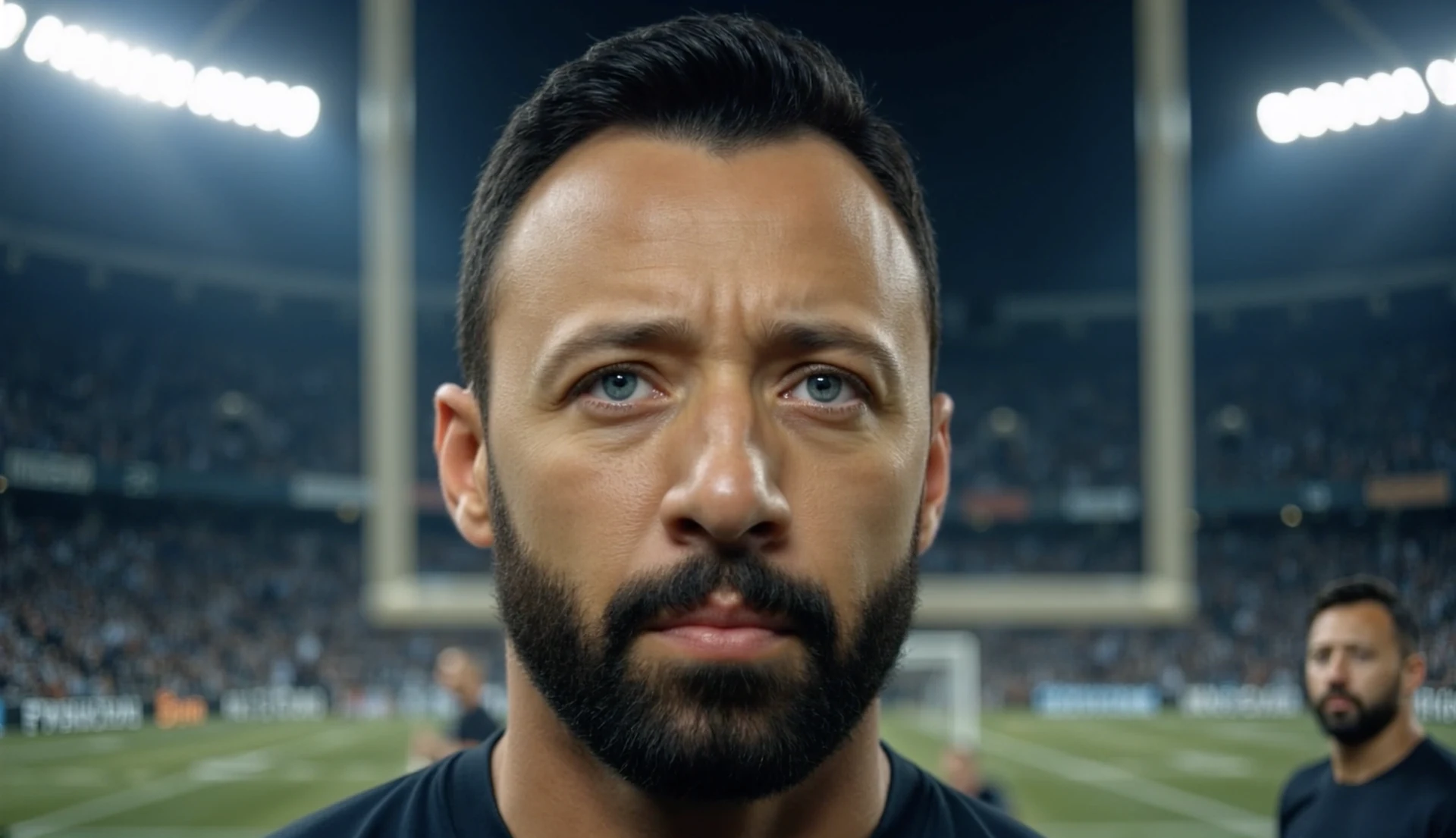
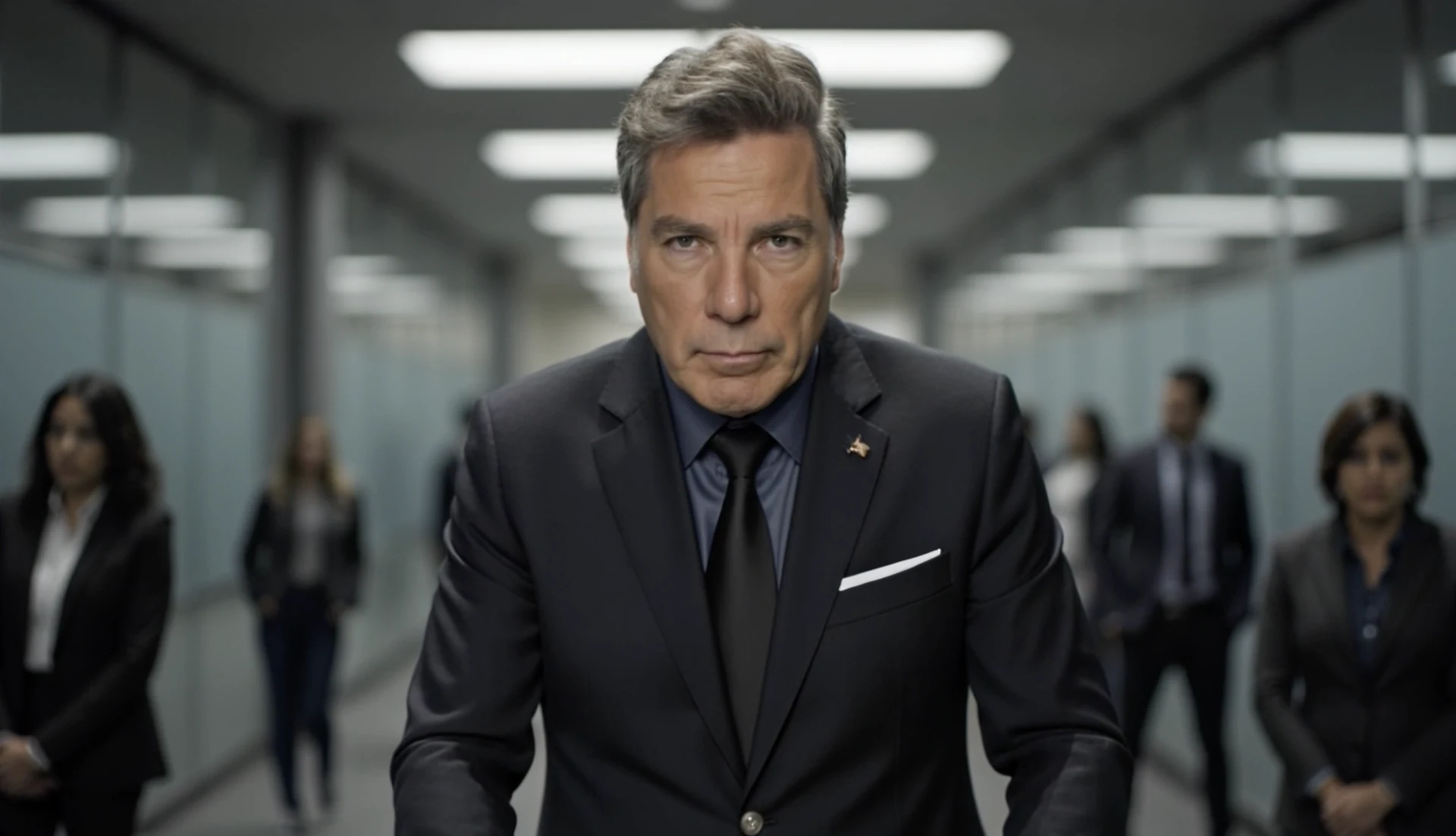
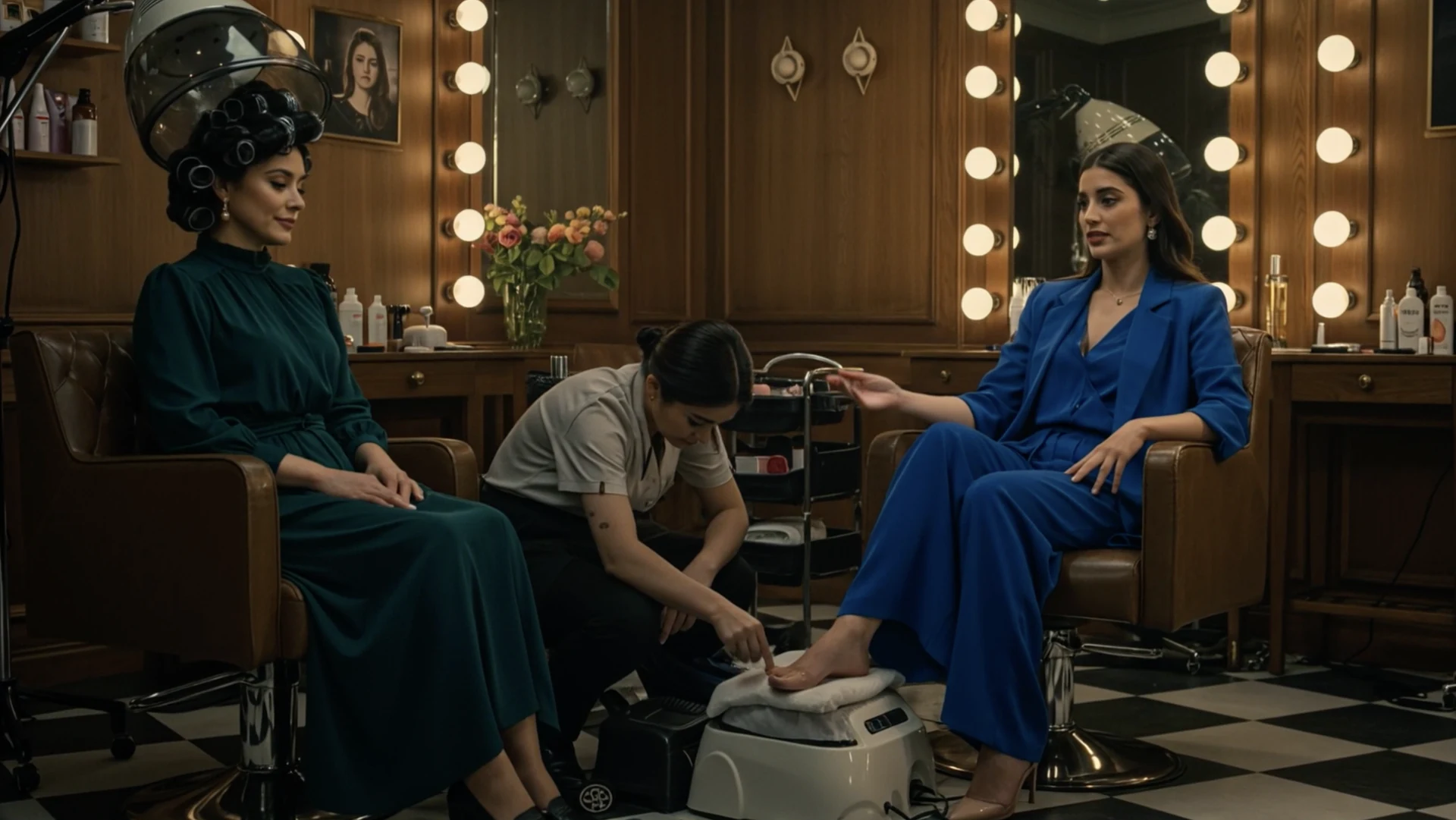
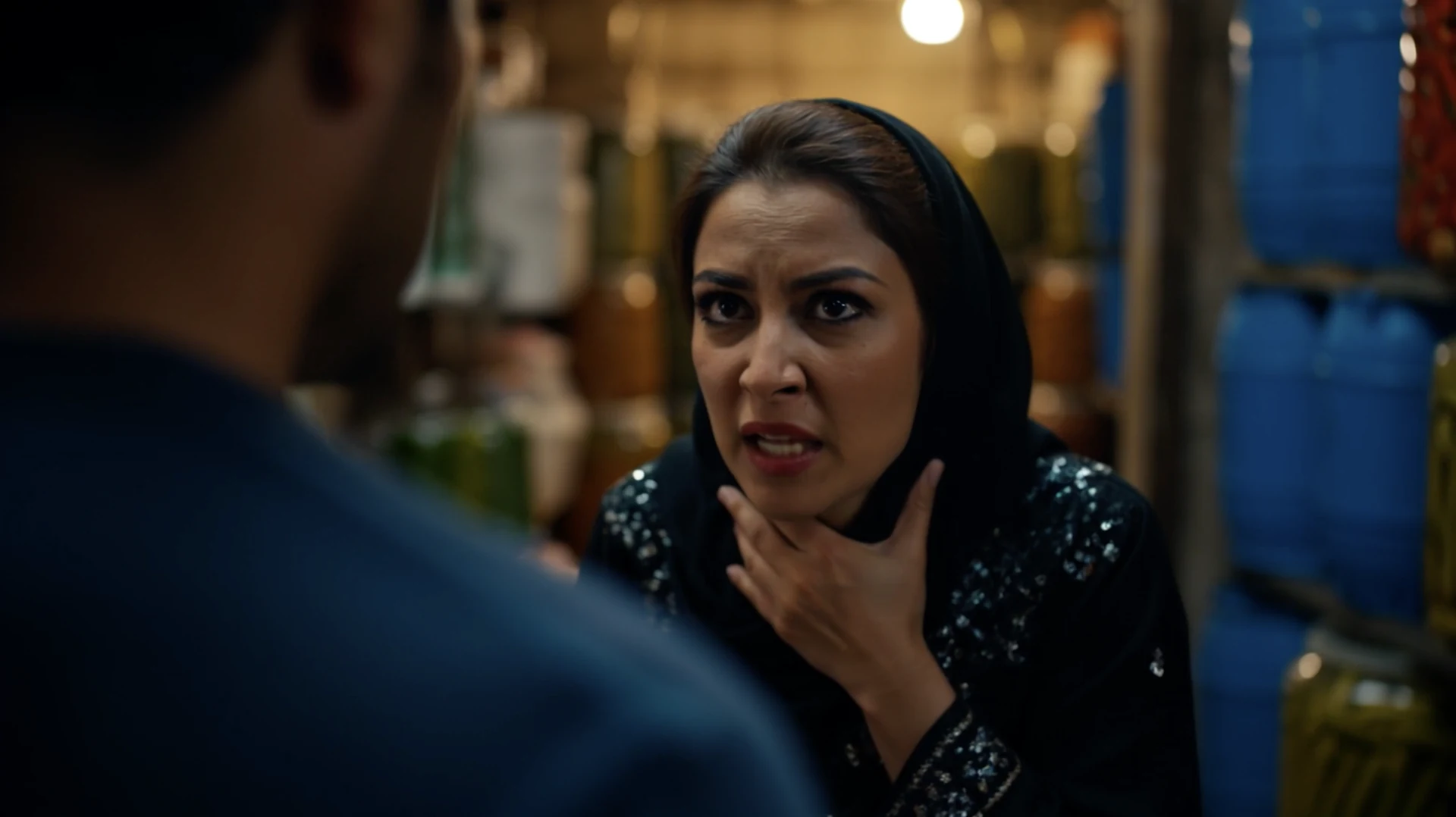
One of the most interesting “non-traditional” dashboard systems I designed was for “Script Khayaly” on MBC Thaqafeyah (Ramadan 2025). While it wasn’t a classic business dashboard, it functioned as a creative + production intelligence system that helped us manage episodes, track narrative complexity, and translate abstract imagination into structured output. The Challenge We were dealing with extremely messy, unstructured inputs: Random words suggested to celebrities Improvised storytelling (different pacing, tone, and depth per guest). AI-generated visual outputs with varying quality and styles Multiple teams working in parallel (creative, AI, editing, sound, graphics) So the challenge wasn’t just visualizing data—it was turning imagination into a system we can track, refine, and produce at scale. How I Handled It 1. Information Density Instead of overwhelming the team, I broke the system into three core layers: Concept Layer: Words .. story direction .. emotional tone Production Layer: Shooting status, AI generation progress, edit phases Output Layer: Final episode structure, timing, delivery readiness Each layer had its own “view,” so every team member only saw what they needed. 2. Hierarchy Hierarchy was critical because we had both creative chaos and production deadlines. Top priority: Episode readiness Story clarity Secondary: Visual consistency (AI outputs) 3rd priority: Experimental variations Visually, I used:
Clear status indicators (Ready / In Progress / Needs Fix) Color coding per stage Card-based layouts for each episode to keep things modular and scannable 3. Accessibility We had a multi-disciplinary team, not all of them “data people”. So I made sure the system was: Visual-first (icons, thumbnails, storyboards) Minimal text where possible No complex charts just clear visual states and progress indicators Even a videographer or sound designer could open it and immediately understand: “Where are we? What’s missing? What needs to happen next?” 4. Handling Messy Real-World Data This was the most interesting part. Stories were unpredictable ... I created flexible templates instead of fixed structures AI outputs varied ... we added quality checkpoints and selection layers Creative direction evolved ... the system allowed iteration without breaking the workflow Instead of forcing structure too early, I designed it to embrace ambiguity first, then refine it step by step. What Users Actually Did With It Once it shipped internally, it became the backbone of production: Creative team: tracked story evolution from random words to final script AI team: understood exactly what visuals to generate and in what style Editors & sound designers: worked faster with clear narrative flow Production: monitored episode readiness in real-time It helped us: Align multiple teams around one vision Reduce back-and-forth significantly Deliver episodes consistently during a tight Ramadan schedule Final Thought For me, this project proved that: A dashboard is not just about numbers—it’s about making complex systems understandable and actionable. In “Script Khayaly”, the system translated pure imagination into a structured, repeatable production pipeline—and that’s where design really creates value.
- Category
- AI Films